MENU
TH EN

1. Skanda Purāṇa 2 (Cañculā’s story and Emancipation)

fh;prit86ITitle Thumbnail & Hero Image: Lord Shiva, developed on February 11, 2026
1.
1. Skanda Purāṇa 2 (Cañculā’s story and emancipation)
First revision: Feb.11, 2026
Last change: Feb.14, 2026
Searched, gathered, rearranged, translated, and compiled by Apirak Kanchanakongkha.
1.
Page 1 (36)
Chapter 3-1(13) (Cañculā01’s story)
1.
       Śaunaka said, 'O Sūta! O immensely fortunate one! O Sūta! O immensely intelligent one! You know everything. Through your favors. I have repeatedly become successful in my objective. On hearing this Itihāsa, my mind is greatly delighted. Please narrate another account about Śambhu, so that our love for him is increased even more. In this world, even those who drink Amṛta02 are not honored with emancipation. But drinking in the nectar of Śambhu’s account immediately bestows emancipation. You are blessed. You are blessed.01 Śambhu’s account is blessed. You are blessed. As soon as a man hears it, he goes to Śiva’s world.’

        Sūta replied, ‘O Śaunaka! Listen. I will tell you about a great secret, since you know the Vedas and are foremost among Śiva’s devotees.


---------------

01. The repetition is for the sake of emphasis.
Notes and Narratives:
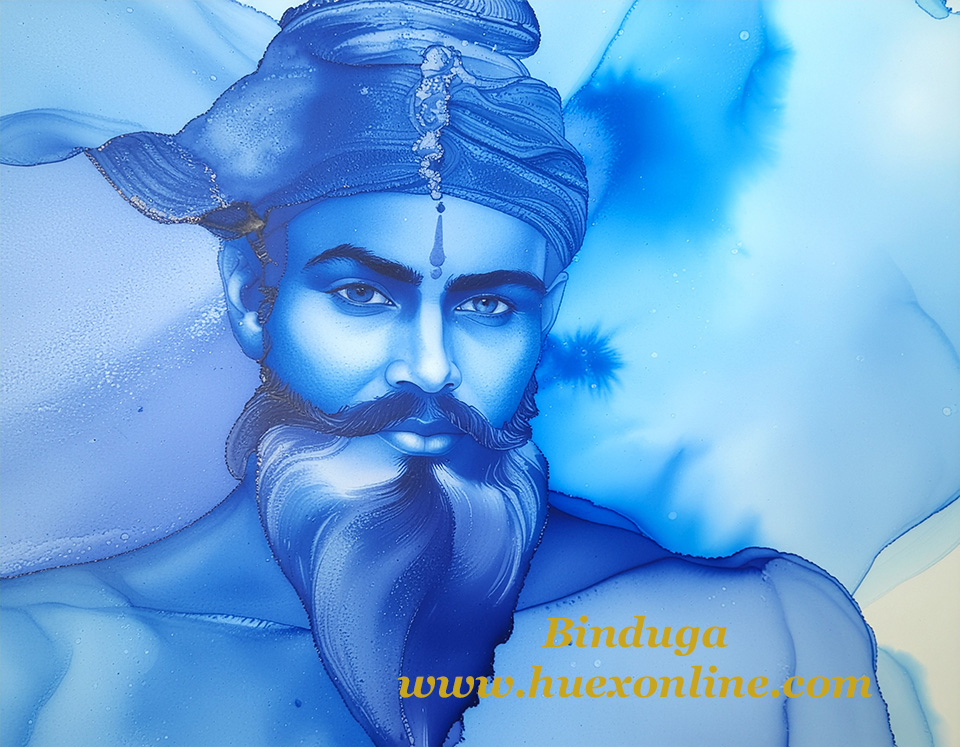
01. Cañculā (चञ्चुला - จันจุลา) or Chanchula is mentioned as the wife of Binduga, a Brahmin from Bāṣkala, according to the Śivapurāṇa-māhātmya chapter 3.—Accordingly, “[...] [Binduga] forsook his devoted wife Cañculā and indulged in sexual dalliance with the prostitute overwhelmed by Cupid’s arrows. Many years thus elapsed without any abatement in his evil action. Afraid of violating her chastity, Cañculā, though smitten by Cupid, bore her distress (calmly for a short while).
02.
 Amṛta (अमृत) In the Ṛgveda, amṛta is not found as a name of a divine drink. The term, however, occurs as an attribute of Soma, which was regarded as a divine drink. Soma was a stimulant and conferred immortality upon the gods. The term Amṛta itself, signifying a celestial drink, occurs very often in the Śatapatha Brāhmaṇa. Still, it has a close connection with Soma. We find Soma called the nectar (amṛta) of immortality. There is also a reference to Amṛta being recovered by the gods. Amṛta, as purely a drink of immortality, is many times mentioned by the Gītā. Here, we do not find it connected with Soma at all.
       In the Vāyu-purāṇa Amṛta occurs as a drink of the gods; but there are some instances connecting it with Soma, the moon, and not with Soma the plant. This information of the Vāyu-purāṇa is thus assignable to a period subsequent to that of the Śatapatha-brāhmaṇa though it is difficult to say about the lowest limit of time. There is one reference stating that Amṛta was stored by the gods on the Somaka mountain but it is not clear whether this name Somaka should be connected with Soma, the drink or Soma, the moon.


References:
01. from. Shiva Purana Volume 1, translated by Bibek Debroy, Penguin Random House India, 2023, ISBN 9780143459699, printed in Bharat.
02. from. www.wisdomlib.org.
1.
2.
3.
humanexcellence.thailand@gmail.com